SISTRA
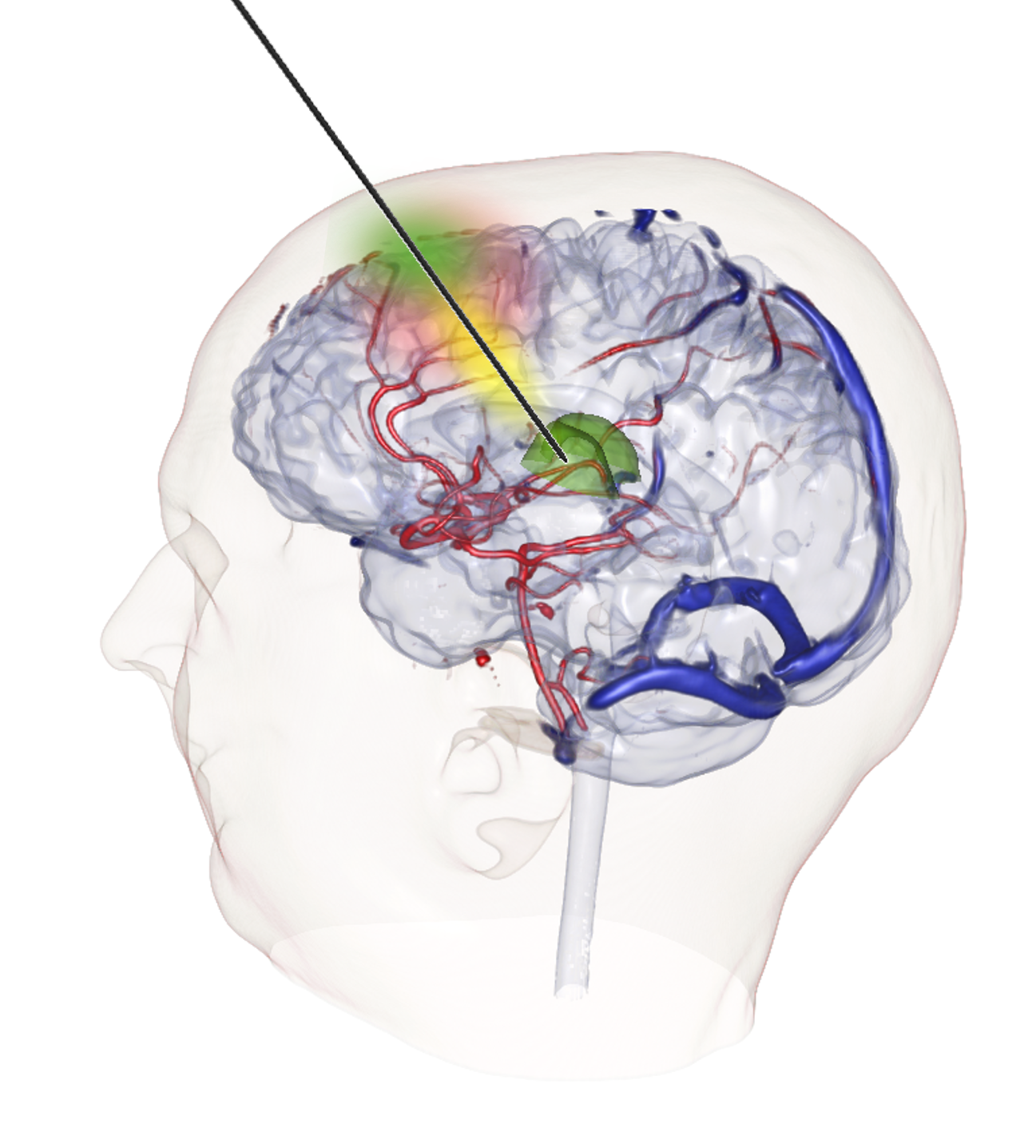
Stereotactic procedures are a key technique in modern neurosurgery, used, for example, for brain tumor biopsies, epilepsy treatment, and functional procedures such as deep brain stimulation. These procedures use a narrow access pathway to precisely target a lesion or anatomical structure within the brain. The choice of this pathway, or trajectory, is critical to procedural safety, as blood vessels, fiber tracts, and functionally important brain regions must be carefully avoided.
For patients, an unfavorable trajectory can have serious consequences, including intracranial bleeding or permanent neurological deficits. Such complications are also relevant to healthcare systems, as they can result in prolonged hospital stays, rehabilitation, and increased treatment costs.
At present, the planning of stereotactic trajectories is largely based on individual clinical experience and visual assessment of preoperative magnetic resonance imaging (MRI) data. A systematic and objective assessment of trajectory-related risk is not yet part of routine clinical practice. This creates a high degree of dependence on individual expertise and can contribute to variability in the quality of care.
The goal of the SISTRA project is to develop software that supports the planning of stereotactic procedures using a data-driven approach. At the core of the concept is a risk atlas that learns from a large number of previously performed procedures. Retrospective clinical data are transformed into a common reference system and linked to treatment outcomes. Based on this data, an AI-based approach assesses new trajectories according to their relative risk.
The project aims to make neurosurgical expertise systematically available, make trajectory planning more transparent and reproducible, and ultimately improve patient safety. The project will result in a functional demonstrator that can serve as the basis for further development into a clinically deployable software module and, in the future, potentially be integrated into existing navigation systems.
The SISTRA project is funded by the German Federal Ministry of Research, Technology and Space (BMFTR) under the “KMU-innovativ: Medical Technology” funding measure.